- Holiday search
-
Destinations
CornwallDevonSomersetNorth CornwallBude Crantock Harlyn Bay Holywell Bay Lanhydrock Mawgan Porth Newquay Padstow Perranporth Porth Wadebridge Watergate BayView all North Cornwall
-
Inspirations
Let us inspire you
-
Luxury Lodges
Our Luxury Lodges
- Suites
- LC Loves Local
 Most Popular

- Holiday search
-
Destinations
- Cornwall
- Devon
- Somerset
CornwallDevonSomersetNorth CornwallBude Crantock Harlyn Bay Holywell Bay Lanhydrock Mawgan Porth Newquay Padstow Perranporth Porth Wadebridge Watergate BayView all North Cornwall -
Inspirations
Let us inspire you
- Luxury Lodges
- Suites
- LC Loves Local
Nature Experiences in Winter
Winter breaks are slower-paced: perfect for taking time out to enjoy the simpler things.
Getting outside, especially during the colder season, is food for the soul and we’ve found four delightful ways to experience nature this winter that won’t cost a penny.
Spectate starling murmurations
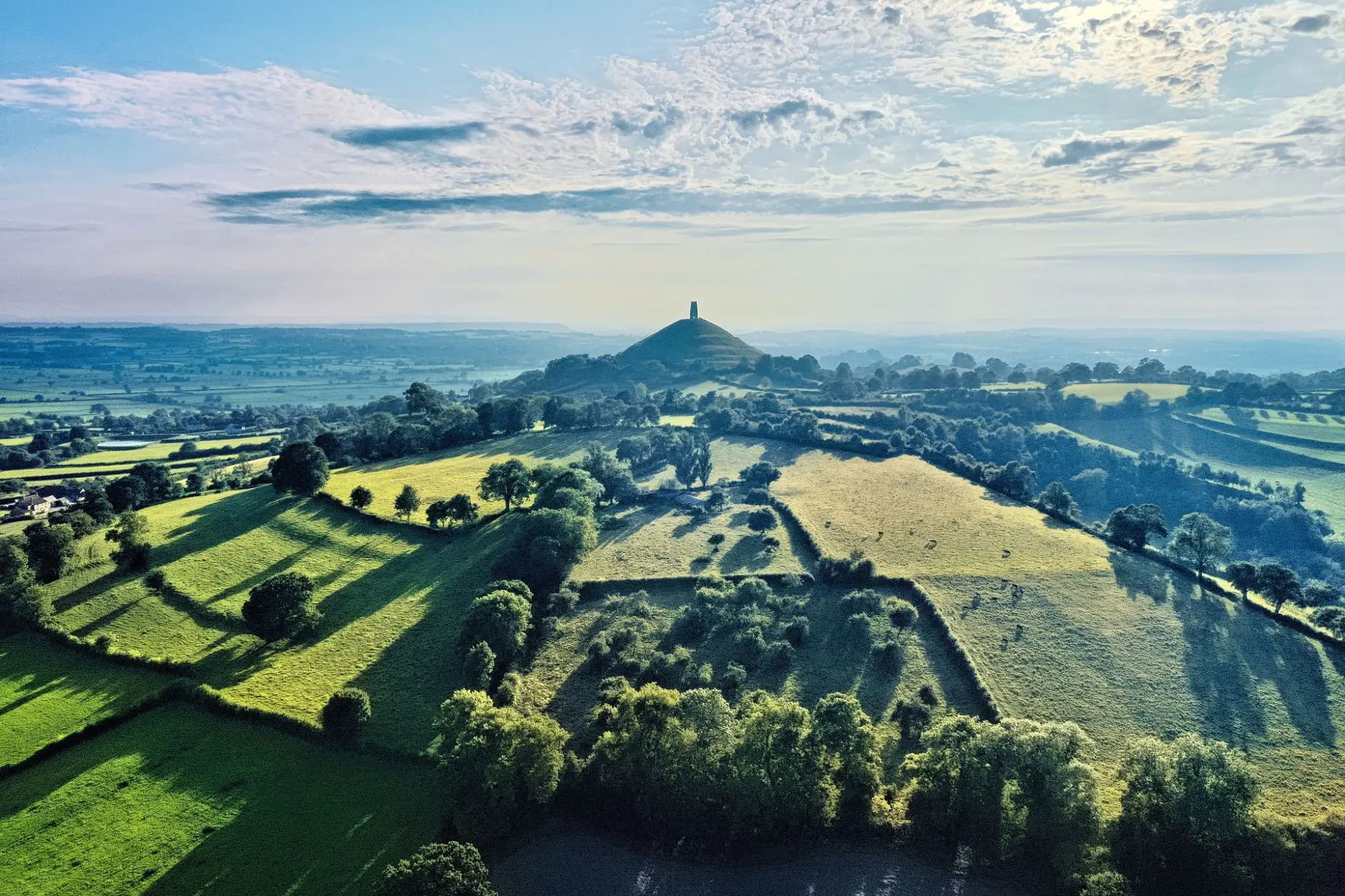
Glastonbury, Somerset
Seeing a murmuration for the first time really is a special experience, and in the South West the best place for it is Avalon Marshes in Somerset. The starlings begin to make an appearance in early November and stay on well into February, providing a 3-ish month window of opportunity to witness this stunning event.
The best times of day are at dawn – chilly but well worth it for the quiet before the swoosh of thousands of birds rising off the marsh reeds in unison…and, just before sunset when the pink sky forms the perfect backdrop to the dark swirls and folds of the exquisite patterns.
Stay near Avalon Marshes in SomersetTreasure hunt along the shoreline
Various locations, Cornwall and Devon
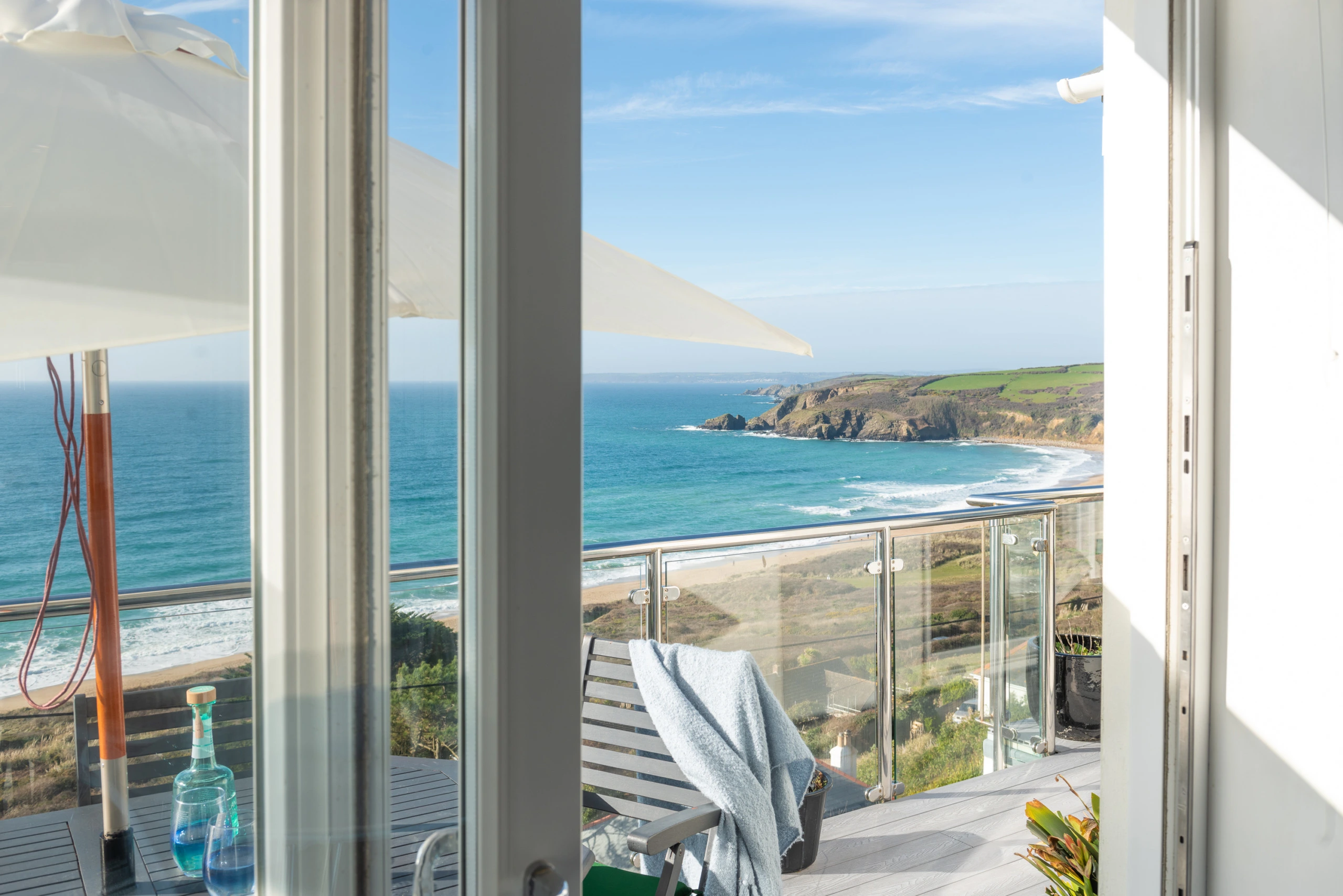
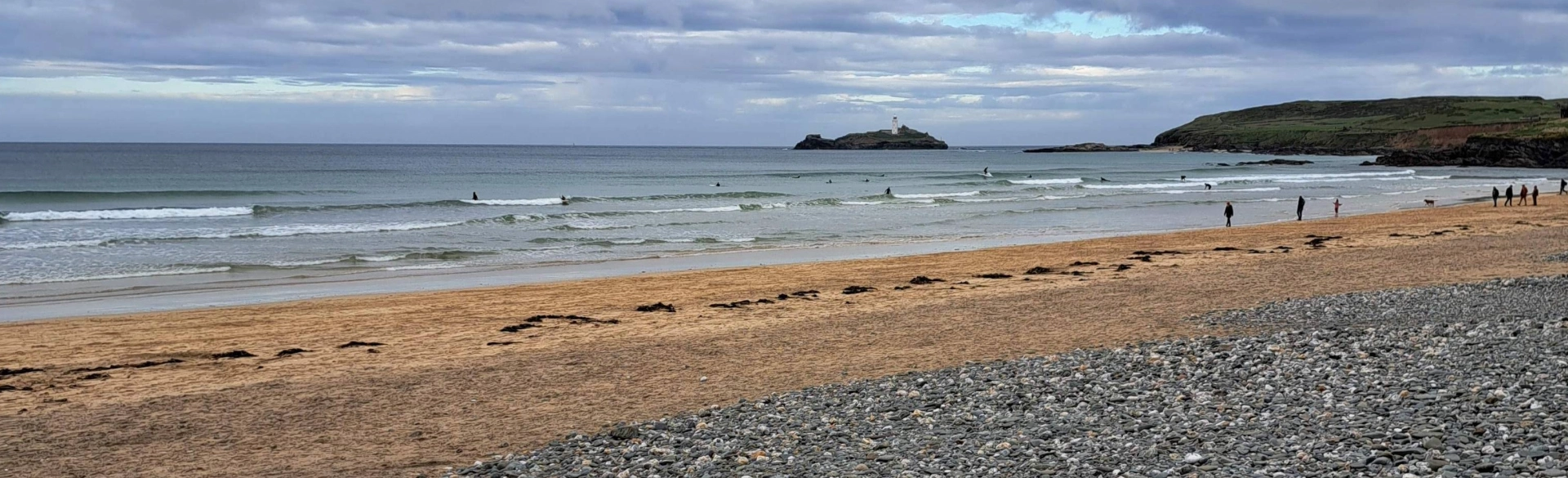
Winter beach walks have a different feel to them and visiting the beach after a good storm means you never really know what you’ll come across.
It’s not uncommon to find kelp piled high up on the shoreline after big winds and seas, along with seaweed of various colours and types which can be used for home decor projects or cooking. Brown Bladderwrack is common – recognisable by its air-filled ‘bladders’ which are great fun to pop, along with the delicate pink fronds of Leafy Rose Weed and Fern Weed.
You’ll find lots of leathery shark / ray eggs or ‘mermaid’s purses’, pretty top shells, sponges and razor clam shells – look out for the inner shells of cuttlefish too (good for anyone who owns a pet parrot as they’re a favourite for sharpening beaks on).
Cottages near the beachWitness dark skies and meteor showers
Dartmoor, Devon
There’s nowhere quite like Dartmoor on a clear winter night for stargazing. The air feels so cold and clean it almost crackles, and because it’s a Dark Sky Reserve, the stars look intensely bright, and there’s billions of them.
Excitingly, winter is meteor watching season with stars of the show (sorry!) being the Geminids – commonly seen around 14 December, the Ursids just before Christmas, and the Quadrantids in early January. Some years you’ll see loads in a short burst; other times it’s a slower trickle. But honestly, even on the quieter nights, just sitting on a tor with a blanket and a hot drink feels special.
Haytor, Hound Tor and Bel Tor are all brilliant spots, but anywhere high and open works. The only real rule is to check the moon phase (a bright moon can lighten the sky too much and reduce visibility).
Stay near Dartmoor
Spot Humpback Whale tails
Mounts Bay, Cornwall
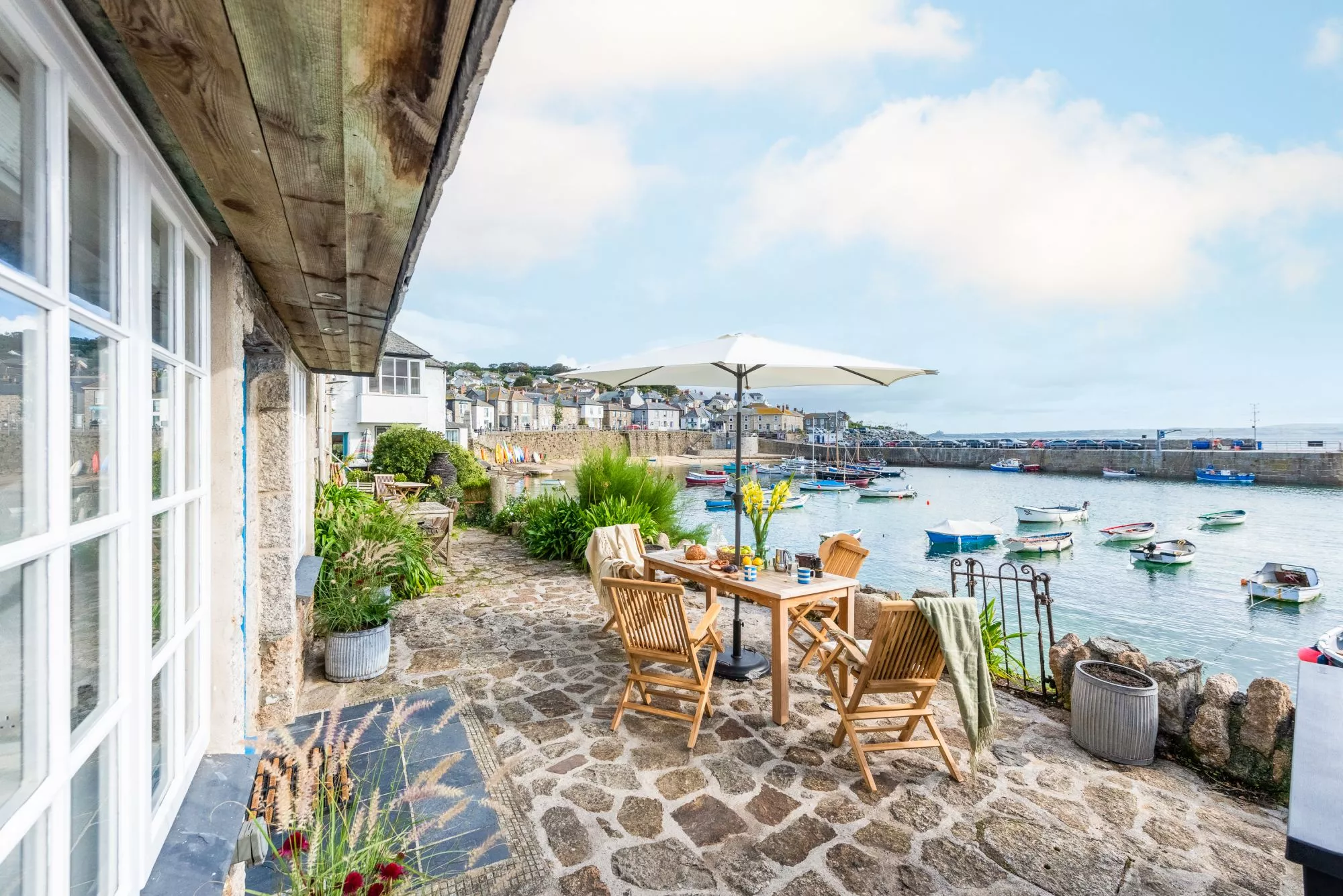
Although a sighting of these majestic creatures isn’t guaranteed, more reports of the Humpback Whale’s appearance along the coast of Cornwall have been made in recent years than ever before. Most often spotted in Mount’s Bay from places like Mousehole and Marazion, the best chance of spotting this 18 metre gentle giant’s antics is between November and March.
Most people spot the blow first — a little burst of mist above the surface — and then, if you’re lucky, that slow, unmistakable rise of the tail as it dives – phenomenal!
Stay in Mounts Bay


STAY IN THE LOOP
Dip your toes into life by the coast. Our newsletter showcases new properties, competitions and more…
Let's stay in touch...
Sign up to the Luxury Coastal newsletter to find out about our latest properties, competitions and holiday inspiration.